
Who We Help
Trauma can follow many kinds of experiences, such as an accident, an assault, a loss, abuse, a medical emergency, or years of living or working under threat. Afterward, some people have memories that return without warning, nightmares, a jumpy or numb feeling, trouble trusting others, or a habit of avoiding anything that reminds them.
These reactions are common and do not mean something is wrong with you. When they continue and get in the way of life, trauma-focused therapy can help. We see teens and adults for trauma and PTSD in Providence.
What Treatment Involves
Trauma can affect far more than memory. It can keep the nervous system on alert, so you startle easily, struggle to sleep, or feel numb and shut down. It can make emotions harder to manage, so they arrive fast and feel too big, or seem out of reach. It can shape your thoughts about yourself and the world, such as “it was my fault” or “no one is safe.” It can strain relationships and make trust and closeness harder. It can also show up in the body, as muscle tension, headaches, fatigue, or a stress response that switches on without a clear reason.
Trauma-focused therapy is structured and paced. It usually begins with building steady footing: understanding common reactions, learning ways to settle your body, and finding ways to manage strong feelings. From there, therapy supports coping, emotional regulation, and recovery. Over time, many people find ways to make sense of what happened, loosen the hold of painful beliefs, rebuild trust and connection, and feel more in control of their reactions. Your therapist shapes the pace and focus around your history, your goals, and what you feel ready for, and the plan is made together with you.
Who Provides It
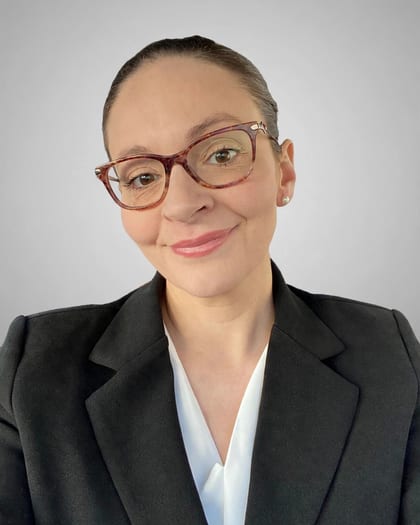
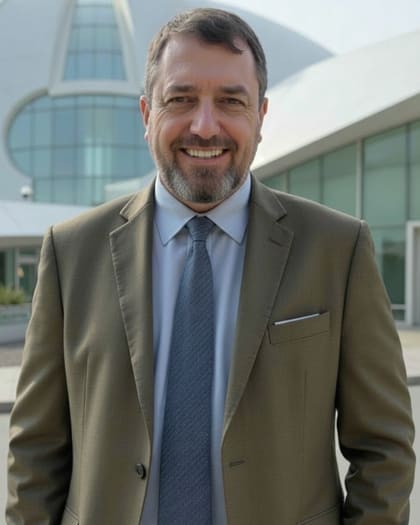
Deborah Hicks, LICSW, Derek Lacy, LMHC, and Daniel Casey, LCSW each list trauma in their work.
To find the right fit, request a consultation and mention what you are hoping for. We will tell you who is available and what they offer.

What to Expect
The first session is not a retelling of the trauma. It is a chance to talk about what you are noticing now, how it affects your days, and what you would like to change. Your therapist will explain the treatment options, answer your questions, and agree on a plan with you.
You can pause or slow down at any time. Some sessions may bring up strong feelings, and your therapist will help you work with them and leave the session feeling grounded.
Harbor Point provides outpatient therapy and does not provide crisis intervention. If you are in crisis, call or text 988, or call 911 in an emergency. See our crisis resources.
If your work puts you in contact with trauma, such as police, fire, EMS, or corrections, see our page on first responder mental health.
Recovery from trauma is not about forgetting. The aim is for a memory to lose some of its power over the present, so you can remember without being overwhelmed. Many people find that sleep, mood, and relationships improve as that happens, though this varies and we cannot predict your experience.
Next Step
Request a consultation or call 401-484-1209. Tell us what you are hoping for and we will tell you which clinician can help.
Questions
Do I have to tell you everything that happened?
No. You decide what to share and when. Your therapist will explain how treatment works before you begin, and some approaches do not require a detailed retelling.
How do I know which trauma approach is right for me?
That is decided together. At the first session your therapist will ask about your history, your goals, and what you feel ready for, then explain the options and answer your questions.
Can I ask what approach my therapist will use?
Yes. Ask when you request a consultation or at your first session. Your therapist will explain the approach they recommend and why, and we will let you know which clinician is a good fit.
Clinical Review and Sources
Sources: